


by Rabbi Noah Gradofsky
Disclaimer: The opinions expressed here are that of the writer and do not necessarily represent the views of the Union for Traditional Judaism, unless otherwise indicated.

Translations my own.
Note this d’var Torah could easily be used for Shemot, Re’eh, or Passover.
The eminent philosopher George Carlin asked (in slightly more offensive language) “Have you ever noticed when you’re driving, that anyone who is driving slower than you is unintelligent and anyone driving faster than you is a maniac?”[1] In Judaism we have a very similar concept. Have you ever noticed that anyone who is more religiously observant than you is a fanatic and anyone who is less observant than you is a heretic?
Famously, the Torah advises against being either a fanatic or a heretic:
לֹ֣א תֹסִ֗פוּ עַל־הַדָּבָר֙ אֲשֶׁ֤ר אָנֹכִי֙ מְצַוֶּ֣ה אֶתְכֶ֔ם וְלֹ֥א תִגְרְע֖וּ מִמֶּ֑נּוּ לִשְׁמֹ֗ר אֶת־מִצְוֺת֙ ה֣’ אֱ-לֹֽהֵיכֶ֔ם אֲשֶׁ֥ר אָנֹכִ֖י מְצַוֶּ֥ה אֶתְכֶֽם׃
You shall not add (לֹ֣א תֹסִ֗פוּ) to that which I command you today nor take away from it (וְלֹ֥א תִגְרְע֖וּ מִמֶּ֑נּוּ), rather follow the LORD your God’s commandments which I command you. (Deut. 4:2)[2]
My teacher, Rabbi Alan J. Yuter, notes that Moshe echoes the words of Pharaoh when Pharaoh ordered his people not to provide straw to the Israelite slaves and also not to reduce the quota of bricks the Israelites were to produce:
לֹ֣א תֹאסִפ֞וּן לָתֵ֨ת תֶּ֧בֶן לָעָ֛ם לִלְבֹּ֥ן הַלְּבֵנִ֖ים כִּתְמ֣וֹל שִׁלְשֹׁ֑ם הֵ֚ם יֵֽלְכ֔וּ וְקֹשְׁשׁ֥וּ לָהֶ֖ם תֶּֽבֶן׃ וְאֶת־מַתְכֹּ֨נֶת הַלְּבֵנִ֜ים אֲשֶׁ֣ר הֵם֩ עֹשִׂ֨ים תְּמ֤וֹל שִׁלְשֹׁם֙ תָּשִׂ֣ימוּ עֲלֵיהֶ֔ם לֹ֥א תִגְרְע֖וּ מִמֶּ֑נּוּ כִּֽי־נִרְפִּ֣ים הֵ֔ם עַל־כֵּ֗ן הֵ֤ם צֹֽעֲקִים֙ לֵאמֹ֔ר נֵלְכָ֖ה נִזְבְּחָ֥ה לֵא-לֹהֵֽינוּ׃
Do not continue (לֹ֣א תֹאסִפ֞וּן) to give straw to the nation to make bricks as in the past – they will go and gather straw for themselves. But require of them the (same) quota of bricks which they made in the past – do not take away from it (לֹ֥א תִגְרְע֖וּ מִמֶּ֑נּוּ) for they are slackers, which is why they complain saying “we will go and sacrifice to our God!” (Exodus 5:7-8)
Rabbi Yuter observes:
Note that Moses ironically recalls Pharaoh’s diction … When one capriciously adds to the subordinate’s burden, one dehumanizes that subordinate. … Not even God gets sovereign immunity … .[3]
Rabbi Yuter’s observation leads me to a few thoughts. First, I’ve always understood the statement that we should not add on to the law as meaning that we should not make the law more strict or difficult and the statement that we should not subtract from the law as meaning we should not make the law less strict or easier. But in Pharaoh’s statement, both לֹ֣א תֹאסִפ֞וּן and לֹ֥א תִגְרְע֖וּ מִמֶּ֑נּוּ refer to ways that Pharaoh is making the Israelites’ lives more difficult. Perhaps the statement about not taking away from the law could be read in the same light – telling us not to remove from the law that which the law permits and that we may enjoy.
Second, we often talk about the irony that God freed us from service to Pharaoh only to make us God’s servants. There are many responses to this irony, but I think one important perspective is that we went from service to Pharoh, who ruled with arbitrariness and caprice, to service to God, who, as Moshe eloquently states toward the beginning of the parashah, gives rules that are reasonable, rational, and designed for our own benefit (Deut. 4:5 and following).
Finally, the rabbis often criticize people who are overtly strict, for instance at Eruvin 6b (and parallels), referring to one who takes on the strictures of both Hillel and Shamai as a fool. But Rabbi Yuter’s observation teaches that there is a theological element to such foolishness. A humrah (stricture) bias suggests our seeing our relationship with God as a relationship with a despotic Pharaoh rather than a rational and forgiving lawgiver.
Serving a capricious despot, one will be extremely careful, knowing that the ruler only cares about the ruler’s own interests and sense of control and knowing that the ruler will not take kindly to even an honest mistake. But for God, it’s not only or even mostly about our loyalty, but about our well-being. So at the same time that God wants us to follow God’s commandments – for our own good, mind you – God would not want us to walk on pins and needles and potentially miss out in life by being overly careful. Rav teaches in the Jerusalem Talmud “עָתִיד אָדָם לִיתֵּן דִּין וְחֶשְׁבּוֹן עַל כָּל מַה שֶׁרָאָת עֵינוֹ וְלֹא אָכַל in the future a person will have to give accounting for everything his eyes saw that he did not eat.” (Kiddushin 4:12). The price of being too careful, both in terms of the anxiety it causes and in terms of the experiences it make us miss out on a price that God does not want us to pay. Moshe suggests that we relate to God in a way that is very different from the way that we would relate to Pharaoh and thereby to be neither too lackadaisical nor too obsessive in how we follow God’s instructions.
On Tisha b’Av (the 9th of Av), we commemorate all the tragedies that beset the Jewish people because of our sins. On Shabbat Nachamu, we begin to consider how we can repair our relationship with God. Tisha b’Av warns us of the consequences of straying from God’s path. If we are easy on ourselves, it might suggest that we are not relating to God as a benevolent teacher who is showing us a path toward our own good. But if we are too afraid of making even an honest mistake in our observance, we would be relating to God as a harsh despot. Shabbat Nahamu literally calls upon us to find a place of comfort in our relationship with God, which I think is a relationship where we can honestly evaluate God’s guidance, tempted neither by our desire for apparent ease nor controlled by an obsessive fear of error. May the God who took us out of Egypt to be God’s servants help us find a way to serve God with honesty and commitment, and may that service bring us one step closer to personal and communal redemption.
[1] https://youtu.be/XWPCE2tTLZQ?si=F9ekUvt2dvd200Jv.
[2] Similarly:
אֵ֣ת כׇּל־הַדָּבָ֗ר אֲשֶׁ֤ר אָנֹכִי֙ מְצַוֶּ֣ה אֶתְכֶ֔ם אֹת֥וֹ תִשְׁמְר֖וּ לַעֲשׂ֑וֹת לֹא־תֹסֵ֣ף עָלָ֔יו וְלֹ֥א תִגְרַ֖ע מִמֶּֽנּוּ׃
Everything which I command, you shall follow to do, do not add (לֹא־תֹסֵ֣ף ) upon it nor take away from it (וְלֹ֥א תִגְרַ֖ע מִמֶּֽנּוּ). (Deut. 13:1)
[3] “The Haredi Reading of Jewish Law: A Review essay of Steven H. Resnicoff, Understanding Jewish Law,” in The Review of Rabbinic Judaism 17 (2014) 57-111, p. footnote 93. Linked from https://utj.org/viewpoints/2026/07/the-haredi-reading-of-jewish-law/.
Enjoying UTJ Viewpoints?
UTJ relies on your support to promote an open-minded approach to Torah rooted in classical sources and informed by modern scholarship. Please consider making a generous donation to support our efforts.



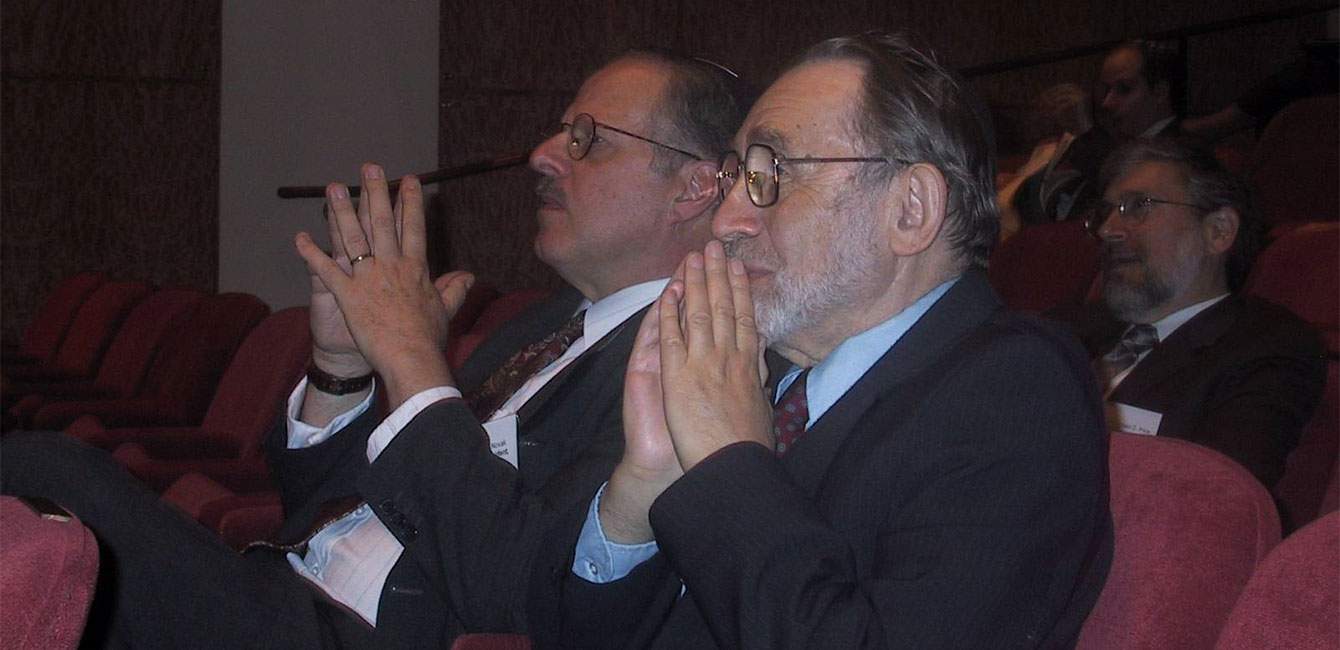

Ordained by the UTJ’s Institute of Traditional Judaism in 2004, Rabbi Noah Gradofsky has remained a steadfast member, serving for years as a member of the UTJ Executive Board, the board of Morashah - UTJ's rabbinic fellowship - and as chairman of the UTJ conference committee.
Rabbi Gradofsky served as a full-time rabbi at Temple Israel in Long Beach, NY, for 6 years and has since served a number of synagogues on a contract basis. He is also a full-time practicing attorney.
Rabbi Gradofsky is also a moderator of the UTJ Facebook group, and he is a prolific writer on Jewish law and sociological topics affecting the religious Jewish community. Among his essays and writings are:
To learn more about Rabbi Gradofsky and access any essays not yet included in Viewpoints, go to: www.e-ark.net
Rabbi Gradofsky is married to Dr. Melissa Klapper and lives in the Philadelphia area.