

by Rabbi Noah Gradofsky
Disclaimer: The opinions expressed here are that of the writer and do not necessarily represent the views of the Union for Traditional Judaism, unless otherwise indicated.

Hebrew texts from Sefaria. Translations my own.
This is less of a d’var Torah or article than a collection of vaguely related thoughts in response to the d’var Torah titled “Emptiness” in Divrei Halev: Thoughts of Rabbi Professor David Weiss Halivni on the Weekly Torah Portion by Rabbi Ronald Price (the d’var Torah starts on p. 397).
Rav Halivni points our attention to Sifrei Devarim 336, which, commenting on Deuteronomy 32:47, states:
כִּי לֹא דָבָר רֵק הוּא מִכֶּם, אֵין לְךָ דָּבָר רֵיקָם בַּתּוֹרָה שֶׁאִם תִּדְרְשֶׁנּוּ שֶׁאֵין בּוֹ מַתַּן שָׂכָר בָּעוֹלָם הַזֶּה וְהַקֶּרֶן קַיֶּמֶת לוֹ לָעוֹלָם הַבָּא.
For it is not an empty thing for you – You have nothing empty in the Torah such that if you study it [you would find that] it lacks reward in this world while the principal investment is established for the person in the world to come.
My first note is that this midrash seems to be at odds with Babylonian Talmud Shabbat 127a and Mishnah Peah 1:1, texts that figure prominently in most versions of the blessing on Torah study recited each day. In BT 127a and Peah 1:1 there are a limited number of mitzvot (commandments) for which there is both benefit in this world and in the world to come (in the metaphor of the text, the person enjoys the interest payments in this world, while the principal investment remains available in the world to come).[1] In Sifrei Devarim 336 this is the case for all mitzvot.[2]
As a tangential note, Rav Halivni had a unique take on the closing words of Peah 1:1 “וְתַלְמוּד תּוֹרָה כְּנֶגֶד כֻּלָּם,” generally translated along the lines of “and Torah study is equal (כְּנֶגֶד) to them all,” which many people understand to mean that Torah study is more important than the other commandments referenced at Peah 1:1. Rav Halivni writes, “This is not so; some acts of loving kindness take priority over the study of Torah.” [3] Rav Halivni notes that Torah study is the only mitzvah that is always applicable, contrary to, for example, the mitzvah of honoring one’s parents, which can generally only be accomplished in certain situations and generally only while one’s parents are alive or the mitzvah of lulav, which can only be done on Sukkot. He understood “וְתַלְמוּד תּוֹרָה כְּנֶגֶד כֻּלָּם” to mean that Torah study is “parallel to” all other mitzvot in that whenever one is doing any mitzvah, that moment is also a moment where the mitzvah of Torah study applies.
A second point worth noting is that Sifrei Devarim 336 supports Maimonides’s (Rambam’s) contention that all mitzvot are rational. See Rambam Guide for the Perplexed 3:26 and my discussion Blind Faith or Rational Practice: Do Mitzvot Have Reasons, and Should We Investigate Them?
Finally, this entry in Divrei Halev goes in what for me was an unexpected direction. The textual basis for Rav Halivni’s comment is Sifrei Devarim 336 as well as Jerusalem Talmud Peah 1:1, which states that if something in the Torah appears empty to you, you only need to study further in order to understand it better. I would have expected Rav Halivni to close with encouragement of Torah study and a comment about how our observance of Torah can benefit from a deeper understanding of Torah – a message with which I don’t think Rav Halivni would disagree (although he might issue a note of caution, see below). But instead, he concludes:
To say that a mitzvah is empty of meaning is the equivalent of saying, “I have no bread because I don’t eat.” Meaning is intrinsic to the mitzvah as nutrition is intrinsic to good food. The Jew needs to fulfill the mitzvah even as a person needs sustenance, regardless of whether or not he or she knows exactly how the food sustains us.
Rav Halivni’s lesson here, for me, calls to mind a point he made in his letter to the JTS faculty concerning the ordination of women, which I quote here from his memoirs, The Book and the Sword: A Life of Learning in the Shadow of Destruction (p. 113):
How does a mitzvah catapult one into such religious heights? What is prayer? Nobody knows, any more than we know when looking at the sunset, or at a smiling child, how and why we are gripped, riveted to the scene, transformed in a foretaste of the world to come. Our religious and aesthetic experiences are shrouded in mystery. We are put on fire, but do not know how the fire is being kindled. The mistake of reform is that it claims that it knows how the fire is being kindled; that, as a result, it can control the flame. When it actually tried to control the flame, alas there was no fire; everything was so cold!
As a final tangent, I would note that Rav Halivni’s statement here reminds me of BT Sanhedrin 21b where Rabbi Yitzhak says that King Solomon rationalized that since he understood the ultimate goal of the law against a king having too many wives or horses, he therefore could violate those prohibitions while avoiding the potentially deleterious effects of his actions.
Study of Torah can help us understand the mitzvot and therefore help direct our focus so as to enhance the effect that mitzvot have on us. But Rav Halivni also warns us not to take our conclusions too far – not to assume that we have understood the mitzvot so well such that we can choose which mitzvot are meaningful enough for us to obey or that we can override the Torah’s commandments with the command of our own intuition.
[1] In reviewing a draft of this article with Claude AI, Claude noted that the Babylonian Talmud Kiddushin 39b also notes the seeming exclusive nature of the list at Peah 1:1 and recognizes the tension of that exclusivity with the Mishnah being discussed in BT Kiddushin 39b.
[2] In reviewing a draft of this article with Claude AI, it came up that certain versions of Sifrei have in the continuation of the discussion “זֶה אֶחָד מִן הַדְּבָרִים שֶׁהָעוֹשֶׂה אוֹתָם אוֹכֵל פֵּירוֹתֵיהֶם בָּעוֹלָם הַזֶּה וְהַקֶּרֶן קַיֶּמֶת לוֹ לָעוֹלָם הַבָּא,” which would suggest an exclusive list of commandments fitting this description. However, it seems to me that the better text for this section, as reflected by Prof. Finkelstein, is “זֶה אֶחָד מִן הַדְּבָרִים שֶׁהָעוֹשֶׂה אוֹתָם אוֹכֵל פֵּירוֹתֵיהֶם בָּעוֹלָם הַזֶּה וַאֲרִיכוּת יָמִים לָעוֹלָם הַבָּא.” (Prof. Finkelstein notes “וְהַקֶּרֶן קַיֶּמֶת לו” appearing in text ה).
[3] Midrash, Mishnah, and Gemara: The Jewish Predilection for Justified Law p. 148 fn 6. See Rav Halivni’s further discussion of Peah 1:1 there and at Mekorot U’mesorot Kiddushin p. 661-663. Many thanks to Rabbi Wayne Allen for providing this written source to a teaching I only remembered hearing for Rav Halivni.
Enjoying UTJ Viewpoints?
UTJ relies on your support to promote an open-minded approach to Torah rooted in classical sources and informed by modern scholarship. Please consider making a generous donation to support our efforts.



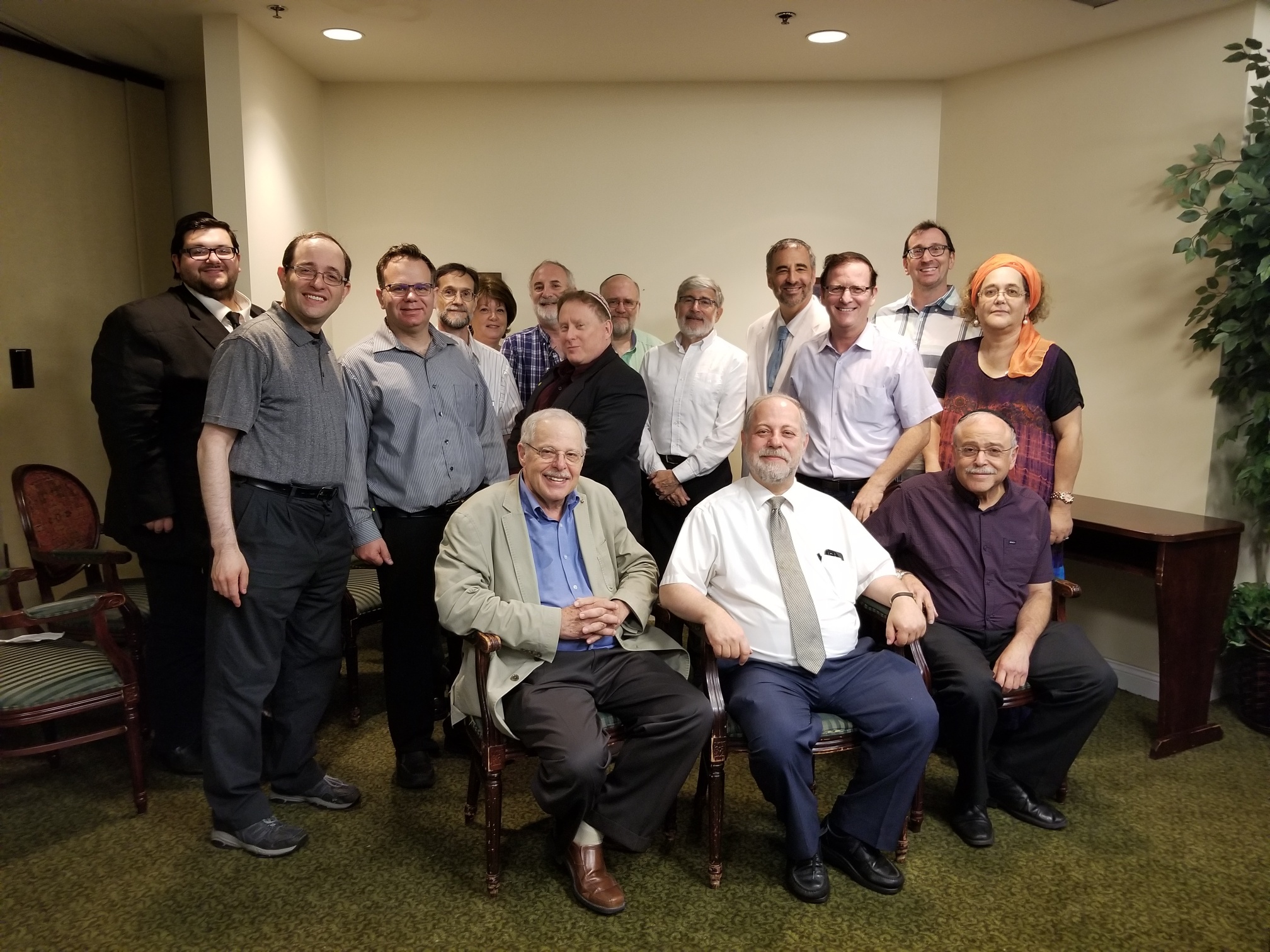
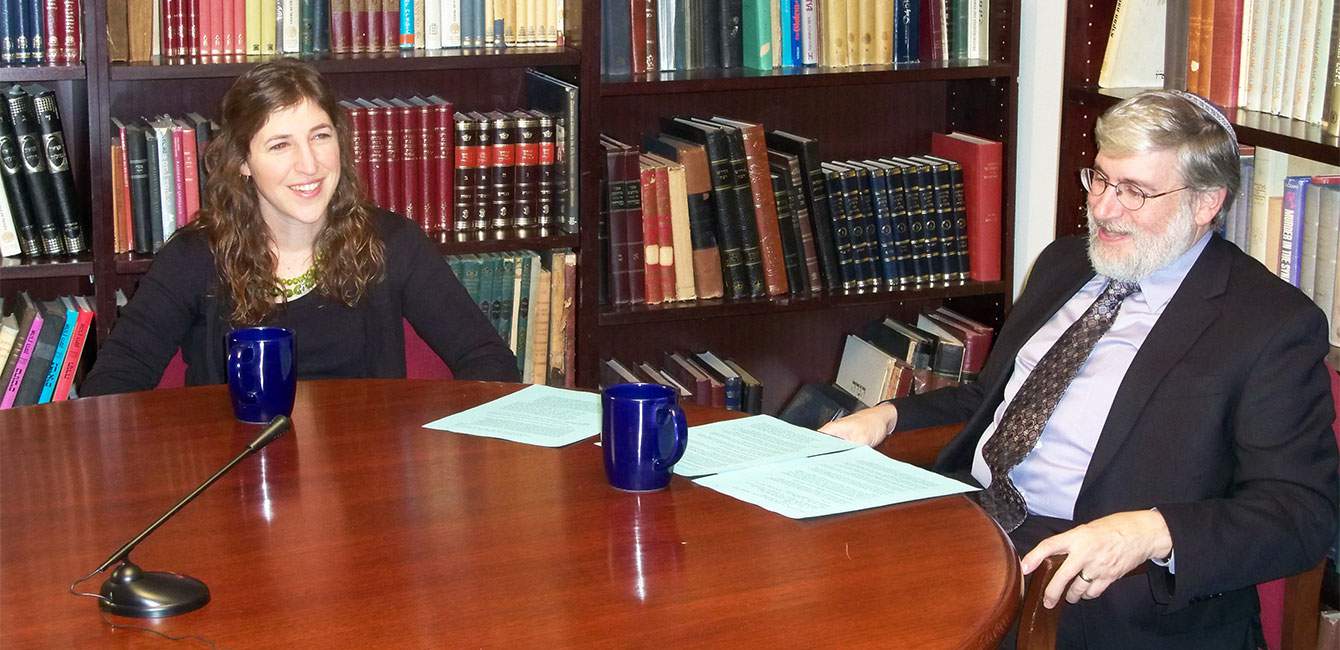
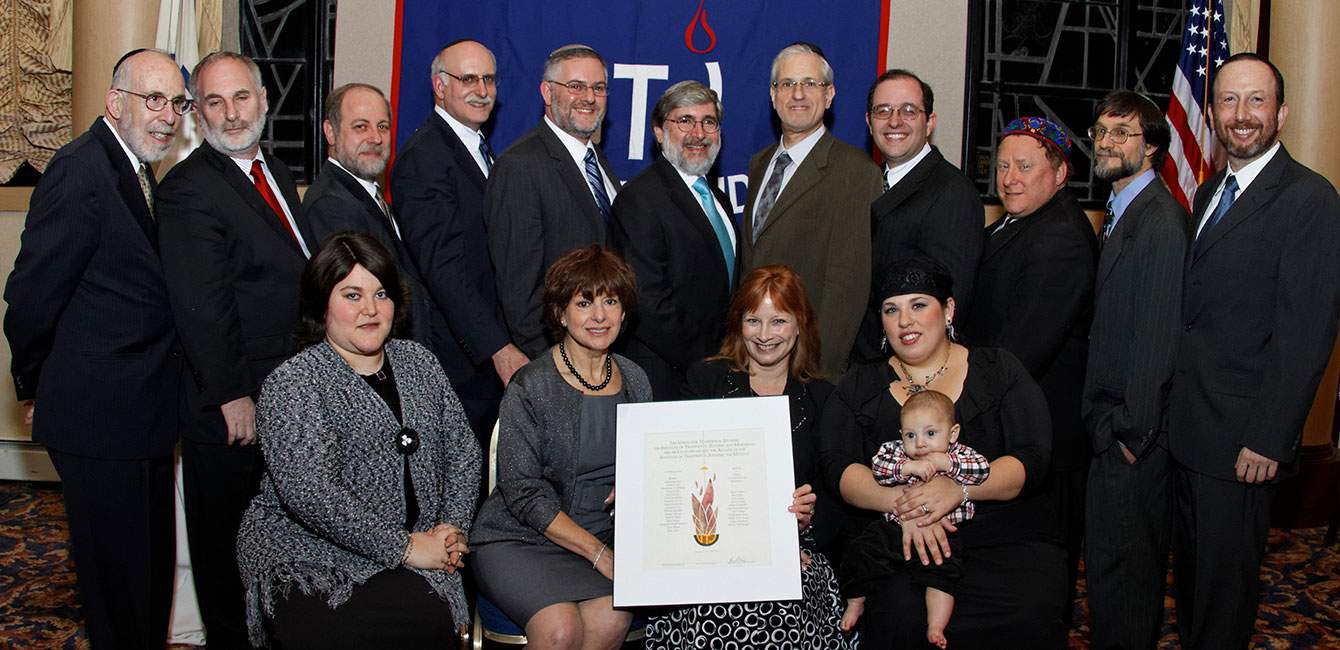

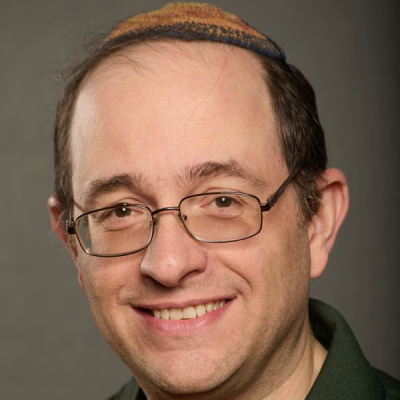
Ordained by the UTJ’s Institute of Traditional Judaism in 2004, Rabbi Noah Gradofsky has remained a steadfast member, serving for years as a member of the UTJ Executive Board, the board of Morashah - UTJ's rabbinic fellowship - and as chairman of the UTJ conference committee.
Rabbi Gradofsky served as a full-time rabbi at Temple Israel in Long Beach, NY, for 6 years and has since served a number of synagogues on a contract basis. He is also a full-time practicing attorney.
Rabbi Gradofsky is also a moderator of the UTJ Facebook group, and he is a prolific writer on Jewish law and sociological topics affecting the religious Jewish community. Among his essays and writings are:
To learn more about Rabbi Gradofsky and access any essays not yet included in Viewpoints, go to: www.e-ark.net
Rabbi Gradofsky is married to Dr. Melissa Klapper and lives in the Philadelphia area.