

by Rabbi Noah Gradofsky
Disclaimer: The opinions expressed here are that of the writer and do not necessarily represent the views of the Union for Traditional Judaism, unless otherwise indicated.
Hebrew text from Sefaria. Translations my own. The thoughts here are my own, with some editing help from my wife, Melissa Klapper, and Google Gemini.
Texts in gray omitted from spoken presentation.
“וְזָרַ֥ח הַשֶּׁ֖מֶשׁ וּבָ֣א הַשָּׁ֑מֶשׁ the sun rises and the sun sets,” says the first chapter of Ecclesiastes.[1] In Bereshit Rabbah[2], Rabbi Aba bar Kahana asks, “וכי אין אנו יודעין שזרח השמש ובא השמש don’t we know that the sun rises and the sun sets?,” ironically assuming that every phrase in a diatribe about the pointlessness of life must itself have a point. Rabbi Aba takes the verse to suggest that “עַד שֶׁלֹא יַשְׁקִיעַ הַקָּדוֹשׁ בָּרוּךְ הוּא שִׁמְּשׁוֹ שֶׁל צַדִּיק הוּא מַזְרִיחַ שִׁמְשׁוֹ שֶׁל צַדִּיק חֲבֵרוֹ before the Blessed Holy One causes the star of one righteous person to set, the Blessed Holy One (lit. “He”) causes the star of his or her fellow righteous person to shine.” The midrash supplies a number of examples, for instance, that Rabbi Judah the Prince, the author of the Mishnah, was born on the day that Rabbi Akiva passed away and that Moshe Rabbenu (Moshe, our teacher) appointed Joshua his successor before Moshe passed away. The section of midrash closes with Rabbi Yohanan declaring “עַד שֶׁלֹא הִשְׁקִיעַ הַקָּדוֹשׁ בָּרוּךְ הוּא שִׁמְשָׁהּ שֶׁל שָׂרָה הִזְרִיחַ שִׁמְשָׁהּ שֶׁל רִבְקָה before the Blessed Holy One caused the star of Sarah to set, [the Blessed Holy One] caused the star of Rivkah to shine,” pointing toward the close of last week’s Torah portion which told us “וּבְתוּאֵ֖ל יָלַ֣ד אֶת־רִבְקָ֑ה and Bethuel begot (our Matriarch) Rivkah,”[3] just a verse and a half before the opening verse of this week’s Torah portion announced the passing of our Matriarch Sarah with the words , “וַיִּהְיוּ֙ חַיֵּ֣י שָׂרָ֔ה and Sarah’s life was [127 years].”
Much of this week’s Torah portion is dedicated to the story of this succession, as Avraham Avinu (Abraham, our patriarch) sends his servant to find a bride for Isaac. When he arrives at Haran, Avraham’s servant says to God:
וְהָיָ֣ה הַֽנַּעֲרָ֗ אֲשֶׁ֨ר אֹמַ֤ר אֵלֶ֙יהָ֙ הַטִּי־נָ֤א כַדֵּךְ֙ וְאֶשְׁתֶּ֔ה וְאָמְרָ֣ה שְׁתֵ֔ה וְגַם־גְּמַלֶּ֖יךָ אַשְׁקֶ֑ה אֹתָ֤הּ הֹכַ֙חְתָּ֙ לְעַבְדְּךָ֣ לְיִצְחָ֔ק וּבָ֣הּ אֵדַ֔ע כִּי־עָשִׂ֥יתָ חֶ֖סֶד עִם־אֲדֹנִֽי׃
It will be that the maiden to whom I say “lower your jug so that I may drink” and who responds, “Drink, and I will also give drink to your camels,” you will have designated her for my master Isaac and through this I will know that you have dealt kindly with my master.[4]
My teacher Hakham Isaac Sassoon discusses this remarkable choice by Avraham’s servant:
Among Abraham’s instructions to his steward (v. 3-8) there is nothing about experiments on the character of the prospective bride. But apprehending his patron’s purpose and his disdain for Canaanitish mores, he needs no spoon-feeding as regards strategies. Like any trusted emissary, the steward probes his sender’s underlying wishes in order to bring them to fruition.[5]
Hakham Sassoon emphasizes that Avraham’s concern was not, God forbid, a preference for the DNA from back home, but an expression of the importance that Isaac marry a person of exemplary moral character. How else could Avraham carry out his mission, as God described it last week:
כִּ֣י יְדַעְתִּ֗יו לְמַ֩עַן֩ אֲשֶׁ֨ר יְצַוֶּ֜ה אֶת־בָּנָ֤יו וְאֶת־בֵּיתוֹ֙ אַחֲרָ֔יו וְשָֽׁמְרוּ֙ דֶּ֣רֶךְ ה’֔ לַעֲשׂ֥וֹת צְדָקָ֖ה וּמִשְׁפָּ֑ט לְמַ֗עַן הָבִ֤יא ה֙ עַל־אַבְרָהָ֔ם אֵ֥ת אֲשֶׁר־דִּבֶּ֖ר עָלָֽיו׃
For I have chosen him so that he may instruct his children and household after him to keep the path of the LORD, doing righteousness and justice, so that the LORD may bring about for Avraham what [the LORD] promised him.[6]
In his final speech, Moshe addresses our responsibility to carry on our national legacy:
הַנִּ֨סְתָּרֹ֔ת לַיהֹוָ֖ה אֱלֹהֵ֑ינוּ וְהַנִּגְלֹ֞ת לָ֤ׄנׄוּׄ וּׄלְׄבָׄנֵ֙ׄיׄנׄוּ֙ׄ עַׄד־עוֹלָ֔ם לַעֲשׂ֕וֹת אֶת־כׇּל־דִּבְרֵ֖י הַתּוֹרָ֥ה הַזֹּֽאת׃
That which is hidden is for the LORD our God, while that which is revealed are for us and our children, forever to apply all the words of this Torah.[7]
The simple meaning of this verse is probably that God will hold people responsible for concealed sins, while we are responsible for holding people accountable for their public misdeeds.[8] But in Divrei Halev, my teacher Rabbi David Weiss Halivni, of blessed memory, offers the following thought:
We might also read this verse homiletically to refer to the effect the demonstration of our religious commitments has on future generations. Hanistarot, the beliefs we have but don’t openly discuss, are fine in maintaining our own religious lives. They are, however, la’Shem Elokeinu (known only to God) and not effectively transmitted to the next generations.
Haniglot, the overt religious behaviors and beliefs we make visible to others and discuss with our children, lanu ul’vanenu ad olam, will serve us and our children forever, la’asot et kol haTorah hazot, for they will be inspired to fulfil all the words of this Torah.
The professor of religious studies who does not raise the issue of kashrut – at least for himself or herself – at a faculty dinner fails future generations. The parent who does not talk about belief and practice unashamedly will find it difficult to transmit pride in Jewish living to their progeny. Lanu ul’vanenu ad olam should inspire us to make our religious lives among haniglot (those things revealed) – with humility, but revealed nonetheless.[9]
Rav Halivni, who often emphasized humility – so much so he seems compelled to throw in the phrase “with humility” here – tells us that there are important benefits to doing things publicly. Public deeds offer encouragement and reinforcement for others to follow suit. Therefore, we have to model positive behavior albeit while making it clear – to ourselves and to others – that our focus is on the positive impact of our deeds and not self-aggrandizement.
In The Philosophers’ Torah, my UTJ colleague, Rabbi Wayne Allen connects selected texts from hundreds of philosophers with verses from each Torah portion. Toward the end of this week’s Torah portion, Avraham passes his property to Yitzhak and gives gifts to his other sons.[10] But Avraham passed on more than property. He passed on a moral legacy. Responding to Isaac inheriting from Avraham, Rabbi Allen offers the following thought from philosopher Robert Nozick:
It shouldn’t ever be as if you never existed at all. A significant life leaves its mark on the world. A significant life is, in some sense, permanent; it makes a permanent difference to the world-it leaves traces.[11]
Avraham Avinu and Moshe Rabbenu teach us that modeling good behavior and choosing associates that will model good behavior for us are crucial to our moral development. Making the right choice of actions and associations, and encouraging those around us, including our children, to make similar choices are critical means toward fulfilling our mission: “לַעֲשׂ֥וֹת צְדָקָ֖ה וּמִשְׁפָּ֑ט to do righteousness and justice.” Doing so helps make our fulfillment of that mission our most important legacy.
[1] 1:5.
[2] Bereshit Rabbah Chayei Sarah chapter 58.
[3] Genesis 22:23.
[4] Genesis 24:14.
[5] An Adventure in Torah – A Fresh Look Through a Traditional Lens, comment on Gen 24:34 (p. 42):
[6] Gen. 18:19.
[7] Deut. 29:28. The exact meaning of the verse is far from clear.
[8] See on this verse e.g. Rashi, Ibn Ezra, Tigay, JPS Torah Commentary on Deuteronomy and Divrei Halev: Thoughts of Rabbi Professor David Weiss Halivni on the Weekly Torah Portion.
[9] P. 387-388.
[10] Gen. 25:5v-6.
[11] Nozick, Philosophical Explanations p. 582 quoted in The Philosophers’ Torah on Gen. 25:5.
Enjoying UTJ Viewpoints?
UTJ relies on your support to promote an open-minded approach to Torah rooted in classical sources and informed by modern scholarship. Please consider making a generous donation to support our efforts.



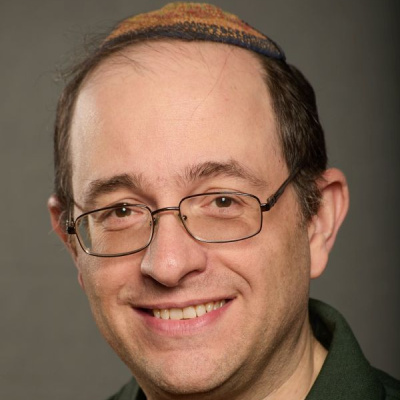
Ordained by the UTJ’s Institute of Traditional Judaism in 2004, Rabbi Noah Gradofsky has remained a steadfast member, serving for years as a member of the UTJ Executive Board, the board of Morashah - UTJ's rabbinic fellowship - and as chairman of the UTJ conference committee.
Rabbi Gradofsky served as a full-time rabbi at Temple Israel in Long Beach, NY, for 6 years and has since served a number of synagogues on a contract basis. He is also a full-time practicing attorney.
Rabbi Gradofsky is also a moderator of the UTJ Facebook group, and he is a prolific writer on Jewish law and sociological topics affecting the religious Jewish community. Among his essays and writings are:
To learn more about Rabbi Gradofsky and access any essays not yet included in Viewpoints, go to: www.e-ark.net
Rabbi Gradofsky is married to Dr. Melissa Klapper and lives in the Philadelphia area.