

by Rabbi Noah Gradofsky
Disclaimer: The opinions expressed here are that of the writer and do not necessarily represent the views of the Union for Traditional Judaism, unless otherwise indicated.
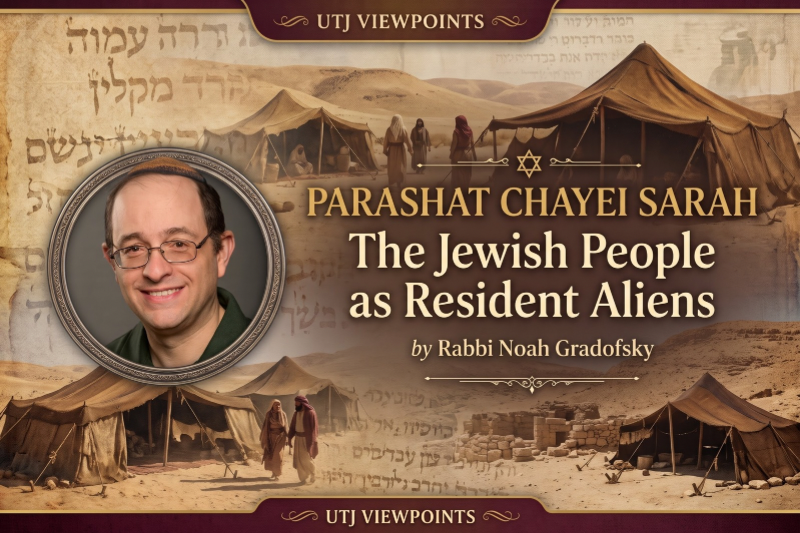
Hebrew text from Sefaria. Translations my own. The thoughts here are my own, with some editing help from my wife, Melissa Klapper, and Google Gemini.
At the beginning of this week’s Torah portion, our Matriarch Sarah passes away and our Patriarch Avraham sets out to purchase a burial plot. He opens his discussion with the local land owners by saying “גֵּר־וְתוֹשָׁ֥ב אָנֹכִ֖י עִמָּכֶ֑ם I am a ger v’toshav among you.”[1] The words ger and toshav are mostly redundant, both having a sense of being sojourner or a newcomer, although the term toshav tends to refer to someone whose residence is more “temporary and dependent,”[2] so ger toshav means something like “resident alien.”
The Torah has a lot to say about strangers, most famously the common biblical refrain to treat a ger properly because we were once gerim in Egypt.[3]
The Torah also has something to say to us about being the strangers. For instance, Avraham’s respectful tone in the negotiations, including bowing toward the locals twice, suggests the importance of respect for local people and customs.[4] Deuteronomy 23:8 tells us not to abhor the Egyptians because we were strangers in their land. The simple understanding of this verse is that our appreciation for the kind hospitality when we first arrived in Egypt should not be entirely eclipsed by the calamitous end of our time in Egypt.[5] But I wonder if the verse might also suggest some level of understanding of – but not, God forbid excusing, Egypt’s fear of the Israelites as strangers,[6] perhaps even a hint to us to be on the highest of alerts that we not succumb to the temptation of such fears. Reflecting on the breakdown of our relationship with the Egyptians has special significance for us as American Jews living in a period of rising antisemitism. Therefore, we should redouble our efforts to express appreciation for all the benefits the United States has bestowed upon us while also working to celebrate and reinforce the American values that, however imperfectly they may have been observed throughout history, made our great fortune possible.
My teacher Rabbi David Weiss Halivni, of blessed memory, provides another piece of advice about being the stranger based on Avraham’s phrase ger v’toshav. In Divrei Halev: Thoughts of Rabbi Professor David Weiss Halivni on the Weekly Torah Portion, my teacher Rabbi Ronald Price shares the following thought from Rabbi Halivni:
Ger v’toshav not only describes the status of Avraham Avinu in Canaan but also is a metaphor for our lives in this world. We are both permanent and impermanent. We interact with the society that surrounds us as full participants, and in that sense, we are toshavim. But we cannot always accept the mores and values of the dominant culture. We must, at times, view dissonant attitudes with the eyes of the other who must answer to a higher standard.[7]
May the Torah ever be our guide, so that we may identify, celebrate, and reinforce the positive values of those who surround us even while we push back against those values that don’t comport with the holiness, kindness, and compassion that the Torah asks of us. May we be blessed to live in a just society, to appreciate the gifts therefrom, and to contribute thereto to the best of our ability.
[1] Gen. 23:4.
[2] See Brown Driver Briggs dictionary entries on גֵּר and תּוֹשָׁב.
[3] See e.g. Ex. 22:20, 23:9, Lev. 19:34, Deut. 10:19, 24:17-18, 24:21-22.
[5] See Rashi ad loc.
[6] I am not aware of any classical commentaries that take up this understanding, nor was Google Gemini or Claude AI. However, Gemini pointed me to the article “Two Types of Hate” by Rabbi Lord Jonathan Sacks, of blessed memory, that is at least related to this idea.
[7] P. 32.
Enjoying UTJ Viewpoints?
UTJ relies on your support to promote an open-minded approach to Torah rooted in classical sources and informed by modern scholarship. Please consider making a generous donation to support our efforts.


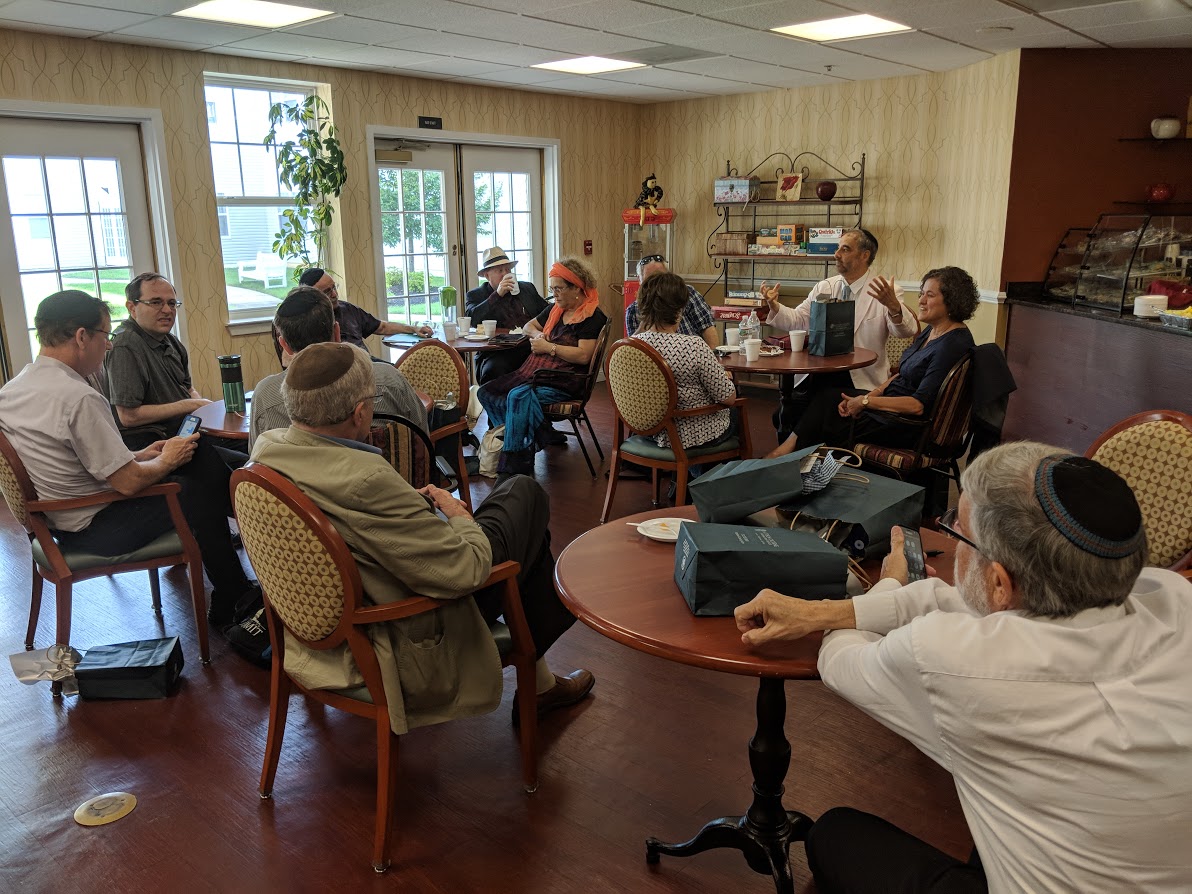
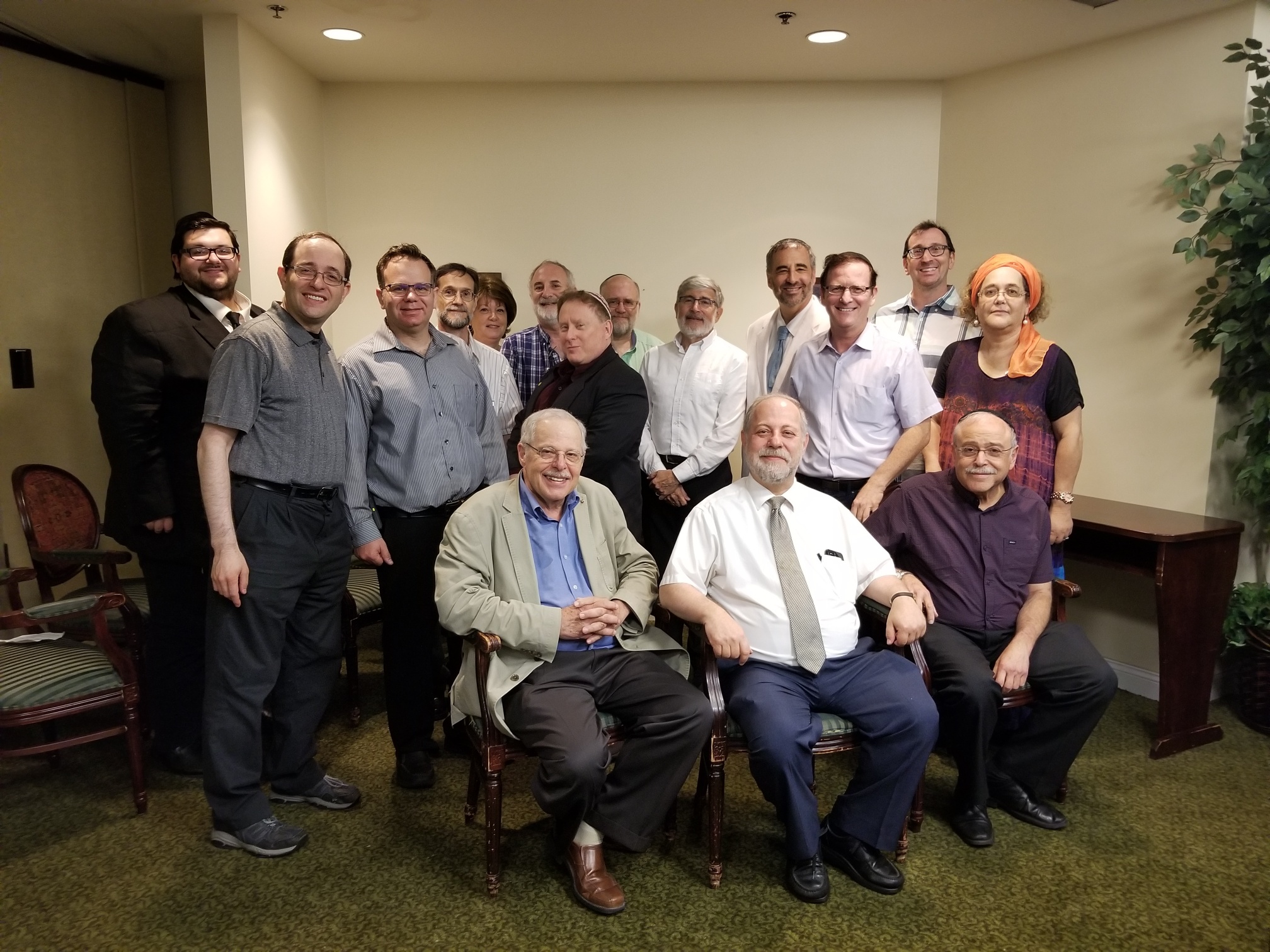

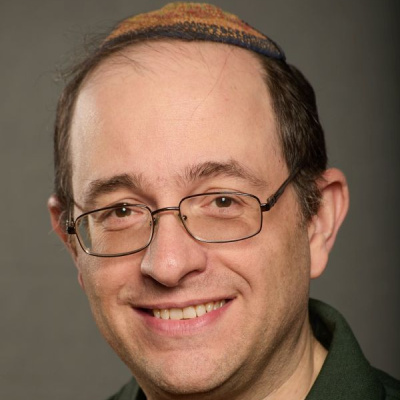
Ordained by the UTJ’s Institute of Traditional Judaism in 2004, Rabbi Noah Gradofsky has remained a steadfast member, serving for years as a member of the UTJ Executive Board, the board of Morashah - UTJ's rabbinic fellowship - and as chairman of the UTJ conference committee.
Rabbi Gradofsky served as a full-time rabbi at Temple Israel in Long Beach, NY, for 6 years and has since served a number of synagogues on a contract basis. He is also a full-time practicing attorney.
Rabbi Gradofsky is also a moderator of the UTJ Facebook group, and he is a prolific writer on Jewish law and sociological topics affecting the religious Jewish community. Among his essays and writings are:
To learn more about Rabbi Gradofsky and access any essays not yet included in Viewpoints, go to: www.e-ark.net
Rabbi Gradofsky is married to Dr. Melissa Klapper and lives in the Philadelphia area.