

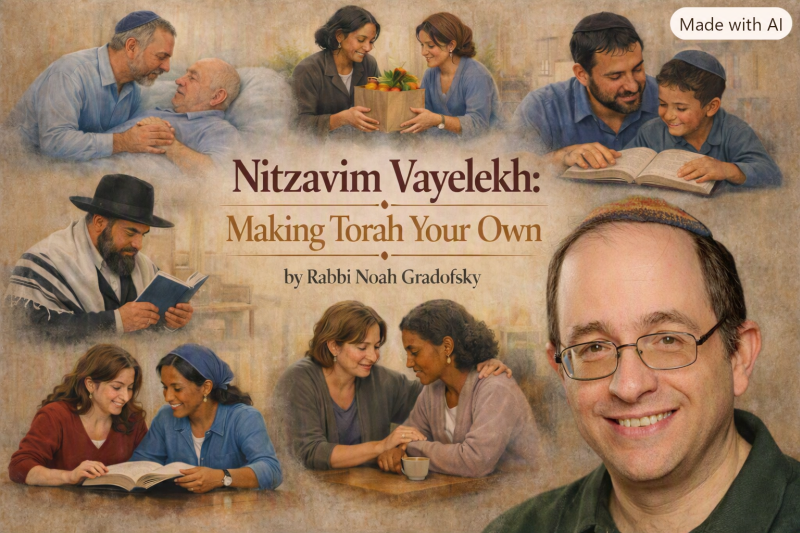
by Rabbi Noah Gradofsky
Disclaimer: The opinions expressed here are that of the writer and do not necessarily represent the views of the Union for Traditional Judaism, unless otherwise indicated.
Hebrew texts from Sefaria. Translations my own. Originally presented to Shaarei Orah, Bala Cynwyd, PA on Shabbat Nitzavim Vayelekh 5786/2026.
As Parashat (Parashah, Torah portion) Nitzavim begins, Moshe Rabbenu (Moses our teacher) says “אַתֶּ֨ם נִצָּבִ֤ים הַיּוֹם֙ כֻּלְּכֶ֔ם all of you [from your tribal heads to your water drawers] stand [before the LORD your God].”[1] Everyone is there because everyone has a part in understanding and implementing Moshe’s lessons. Moshe declares that his set of instructions “לֹא־נִפְלֵ֥את הִוא֙ מִמְּךָ֔ is not beyond your comprehension[2] … לֹ֥א בַשָּׁמַ֖יִם הִ֑וא it is not in the heavens[3] … כִּֽי־קָר֥וֹב אֵלֶ֛יךָ הַדָּבָ֖ר מְאֹ֑ד בְּפִ֥יךָ וּבִֽלְבָבְךָ֖ לַעֲשֹׂתֽוֹ rather this matter is very close to you, in your mouth and in your heart to do it.”[4]
To some, the interpretation and application of the Torah is the privilege of an elite few. Great rabbis are seen as oracles whose rulings are not subject to reasoned critique.[5] Some consult a rabbi on even minor decisions, even though the biblical archetype for rabbinical consultation says “כִּ֣י יִפָּלֵא֩ מִמְּךָ֨ דָבָ֜ר if something is beyond your comprehension,”[6] which suggest a need for consultation is the exception to general rule of “לֹא־נִפְלֵ֥את הִוא֙ it is not beyond your comprehension” that Moshe presents.
My rabbi and teacher, Rabbi David Weiss Halivni makes this point in Divrei Halev, a parashah commentary published by my teacher Rabbi Ronald Price based on Rav Halivni’s teachings.[7] Commenting on “not in the heavens,” Rashi says “for if it were in the heavens, you would have to go up after it to learn it.”[8] Rav Halivni responds, “If the Torah were far away in the firmament, but we had the ability to go up and get it and learn it, that would be fine.” The problem arises from the continuation of the verse “מִ֣י יַעֲלֶה־לָּ֤נוּ הַשָּׁמַ֙יְמָה֙ וְיִקָּחֶ֣הָ לָּ֔נוּ וְיַשְׁמִעֵ֥נוּ אֹתָ֖הּ וְנַעֲשֶֽׂנָּה who will go up to the heavens to get it for us and teach us so that we may follow it.” Rabbi Halivni explains, “The problem comes when obtaining Torah is completely in the hands of others, and it therefore becomes elitist.”
For Rav Halivni, the key to making Torah accessible to all is found in the words “בְּפִ֥יךָ וּבִֽלְבָבְךָ֖ לַעֲשֹׂתֽוֹ in your mouth and in your heart to do it,” which Rav Halivni takes as a reference to the Oral Torah.[9] Rav Halivni explains that the Oral Torah fills in the many gaps of information in the Written Torah – for instance what constitutes labor on Shabbat – thus rendering the Written Torah understandable. I would argue that a publicly available Oral Torah also checks rabbinic authority, in much the same way as the public reading of the Written Torah prescribed in Parashat Vayelekh holds leaders accountable.[10] As Rabbanit Sarna mentioned a few Friday nights ago, Rambam says that the prohibition of בל תוסיף, adding to the Torah, is not violated by a rabbinic enactment of additional rules but rather when a rabbinic authority claims that a rule of its own making is of divine origin rather than explaining the human rationale behind the enactment.[11] The public availability and comprehensibility of the Torah corpus insures that the rabbinic opus is transparent and open to rational critique.
The Oral Torah also constrains the individual. While the Torah is “in your mouth and in your heart to do it,” it is not a free-for-all. Although each of us is responsible for how we understand and implement the Torah, we must do so faithfully and honestly. As Rabbenu Uncle Ben teaches, “with great power comes great responsibility.”[12] As Rashi notes, we don’t have to climb to the firmament to acquire Torah, but as Rav Halivni teaches, each of us has to study the Torah, so that it is in our mouths and in our hearts. This means not only self-study, but finding teachers, mentors, and a community that can help guide and inspire us. As Pirkei Avot (Ethics of the Fathers) teaches, “עֲשֵׂה לְךָ רַב, וּקְנֵה לְךָ חָבֵר make for yourself a teacher and acquire for yourself a friend.”
Moshe says this week that the Torah covenant was made not only with the people present but “וְאֵ֨ת אֲשֶׁ֥ר אֵינֶ֛נּוּ פֹּ֖ה עִמָּ֥נוּ הַיּֽוֹם with those who are not present with us today.”[13] Rav Halivni notes that the Tosefta says this includes all Jews in the future,[14] “to emphasize that the giving of the Torah was not to be considered a one-time event … Torah encompasses all of history ….” Rav Halivni explains that this is accomplished through the ongoing development of the Oral Torah. I think it is also accomplished through each of us applying the Torah to our unique experiences, talents, and constraints. The Torah identifies many values and expects many things of us. Those values and expectations will, almost by definition, be at tension with each other. At any given moment, there will be more than one mitzvah (commandment) available for us to fulfill together with the mundane things we need to do in order to sustain ourselves. Each moment implicates multiple Torah values and ask us to decide how best to navigate them. Each time we make the effort to make a conscious decision as to what we are going to do and how we are going to do it, we are revealing our own unique Torah for our own unique moment.
Rav Halivni notes a striking detail of Birkat HaTorah, the blessing for Torah study which is recited each day.[15] We first say of God “וְנָֽתַן לָֽנוּ אֶת־תּוֹרָתוֹ and gave us God’s Torah,” using the past tense, but we conclude “בָּרוּךְ אַתָּה ה’ נוֹתֵן הַתּוֹרָה Praised are You LORD, who gives the Torah,” using the present tense. Rav Halivni explains “We first note the beginning of our relationship with Torah and God and then confirm that it continues in the present. … Today, as in the time of Moshe Rabbeinu … we … stand before God in a covenant maintained through Torah study.” Each moment presents us with a novel moment in the revelation of Torah. As we turn toward 5787, let us work to make the Torah our own through its study and application. May we be enlightened by God’s Torah and thereby guided to a path of holiness and righteousness.
[5] For a thorough analysis of this phenomenon, see “The Haredi Reading of Jewish Law: A Review essay of Steven H. Resnicoff, Understanding Jewish Law,” in The Review of Rabbinic Judaism 17 (2014) 57-111, p. footnote 93. Linked from https://utj.org/viewpoints/2026/07/the-haredi-reading-of-jewish-law/.
[7] The comments quoted to Rav Halivni here come from the entry in Divrei Halev titled “Those Who Are Not Here,” appearing on pages 383-385.
[8] “שֶׁאִלּוּ הָיְתָה בַשָּׁמַיִם, הָיִיתָ צָרִיךְ לַעֲלוֹת אַחֲרֶיהָ לְלָמְדָהּ,” Rashi Deut. 30:12 s.v. לא בשמים היא. Rashi’s comment is drawn from Babylonian Talmud Eruvin 55a.
[9] Above, footnote 3.
[10] Deut. 31:12 and following.
[11] Mishneh Torah Mamrim 2:9.
[12] From Spider Man, and eventually attributed to Uncle Ben. See https://en.wikipedia.org/wiki/With_great_power_comes_great_responsibility.
[15] See e.g. text Ashkenazi siddur text on Sefaria here.
Enjoying UTJ Viewpoints?
UTJ relies on your support to promote an open-minded approach to Torah rooted in classical sources and informed by modern scholarship. Please consider making a generous donation to support our efforts.


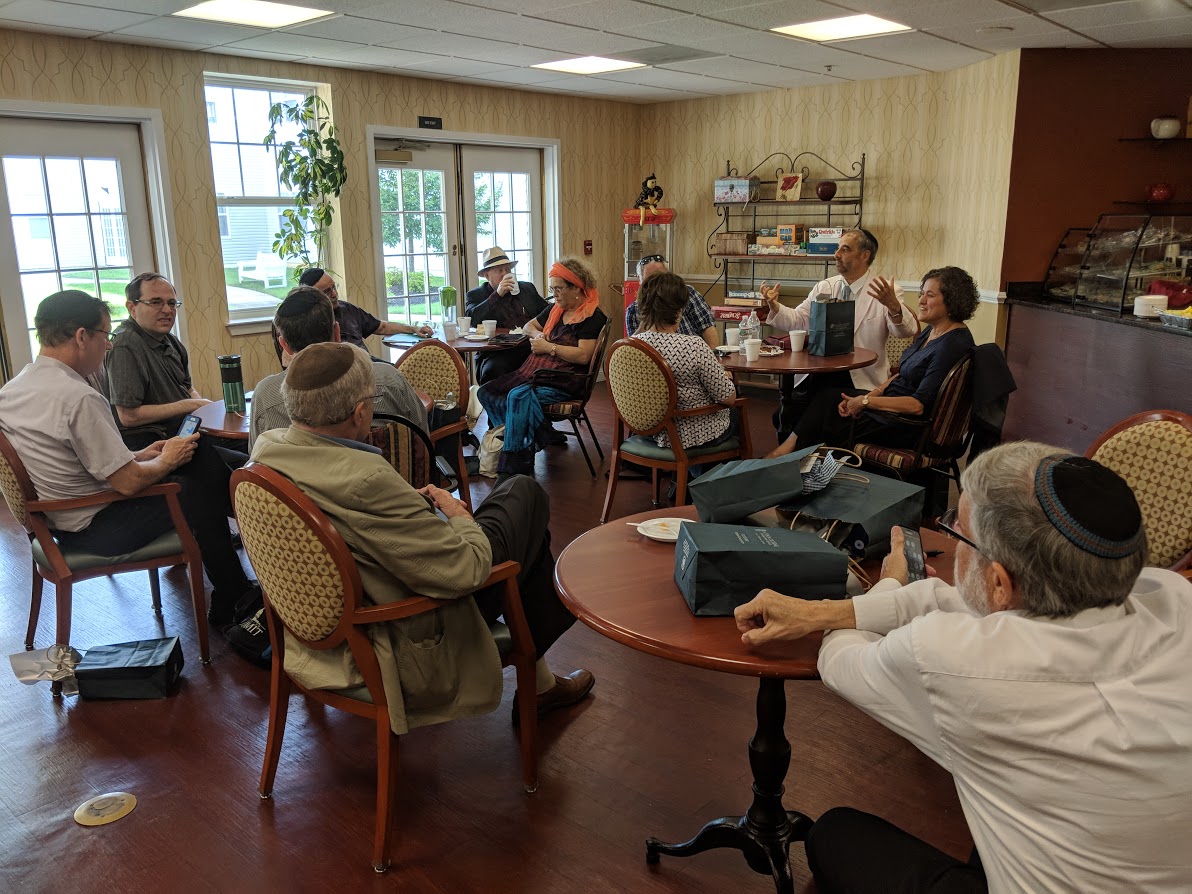
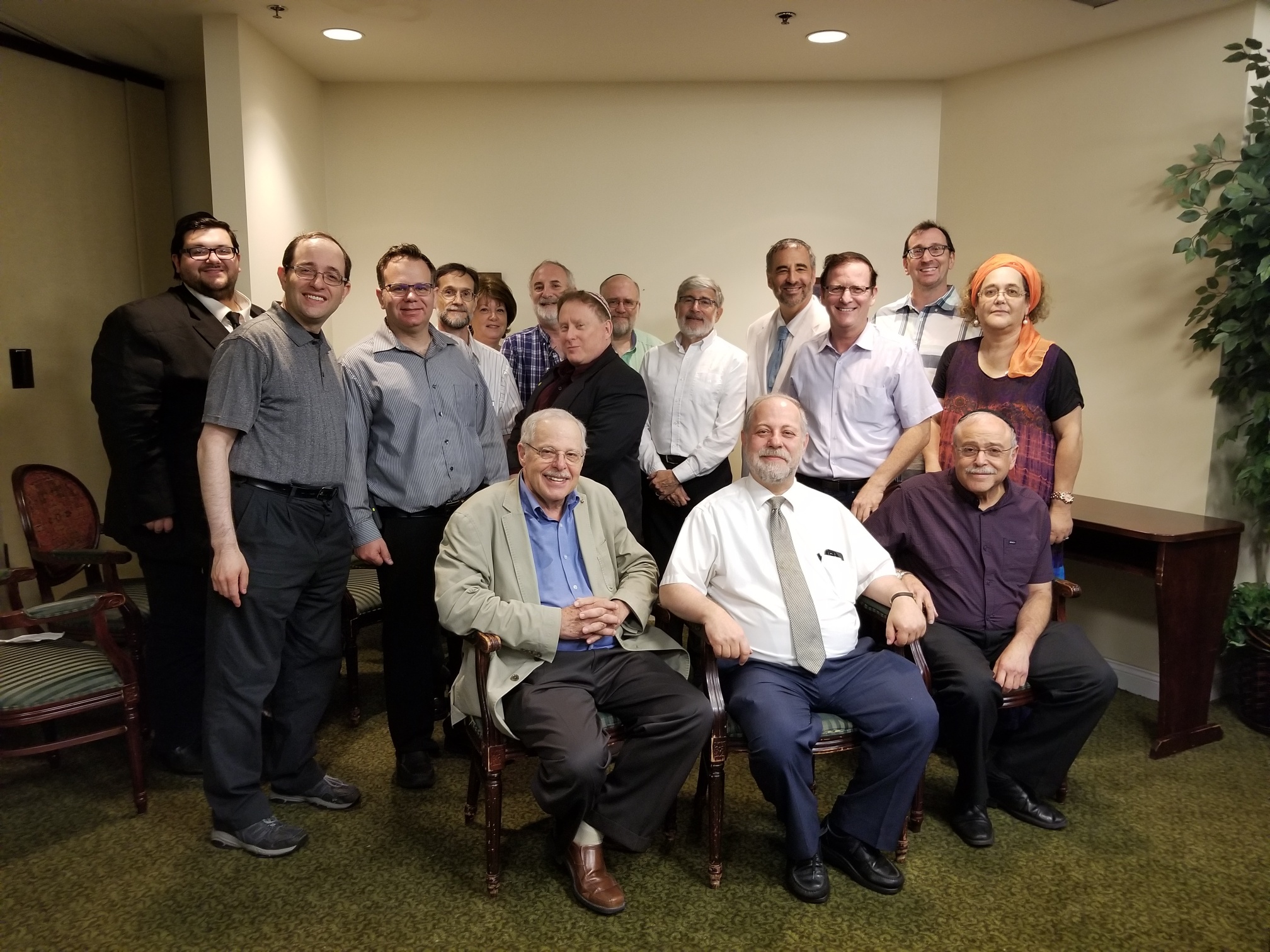

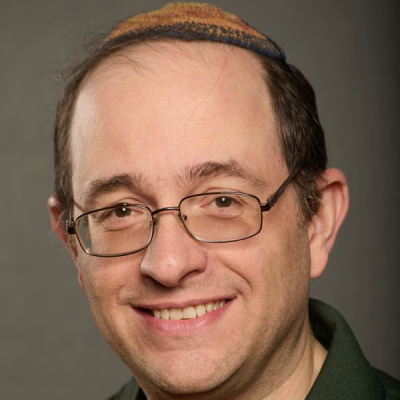
Ordained by the UTJ’s Institute of Traditional Judaism in 2004, Rabbi Noah Gradofsky has remained a steadfast member, serving for years as a member of the UTJ Executive Board, the board of Morashah - UTJ's rabbinic fellowship - and as chairman of the UTJ conference committee.
Rabbi Gradofsky served as a full-time rabbi at Temple Israel in Long Beach, NY, for 6 years and has since served a number of synagogues on a contract basis. He is also a full-time practicing attorney.
Rabbi Gradofsky is also a moderator of the UTJ Facebook group, and he is a prolific writer on Jewish law and sociological topics affecting the religious Jewish community. Among his essays and writings are:
To learn more about Rabbi Gradofsky and access any essays not yet included in Viewpoints, go to: www.e-ark.net
Rabbi Gradofsky is married to Dr. Melissa Klapper and lives in the Philadelphia area.