


by Rabbi Jeffrey Miller
Disclaimer: The opinions expressed here are that of the writer and do not necessarily represent the views of the Union for Traditional Judaism, unless otherwise indicated.
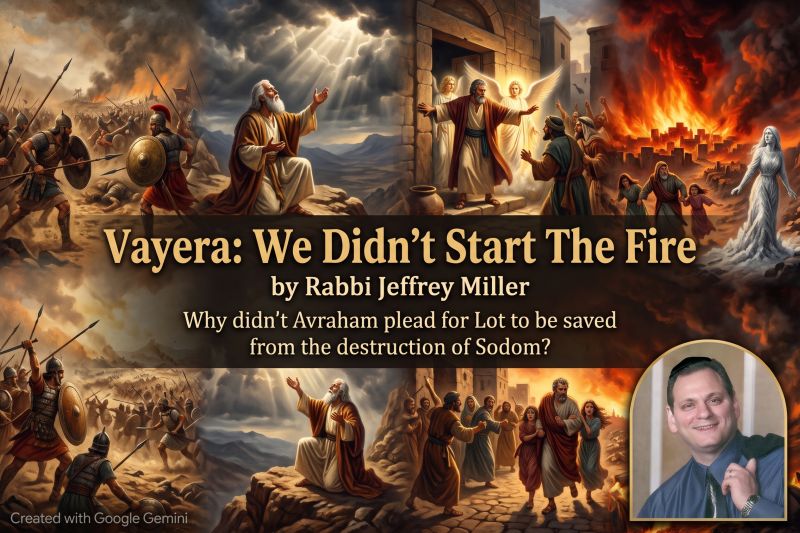
God reveals to his faithful disciple that Sodom and Gomorrah will soon be destroyed. Avraham challenges Him:
הֲשֹׁפֵט כָּל־הָאָרֶץ לֹא יַעֲשֶׂה מִשְׁפָּט
Shall the Judge of all the earth not do justice?[1]
He then bargains for the city’s survival: fifty righteous people, forty-five, forty, thirty, twenty, and finally ten.[2]
But something is missing from this extraordinary negotiation. Avraham speaks of numbers, of righteousness, of justice. Yet he never puts a human face on his plea. And there is one face we would expect to loom especially large: that of his nephew Lot.
Only a few chapters earlier, when Lot was taken captive by the four kings, Avraham assembled an army of 318 men and risked his life to rescue his nephew.[3] Now, with Lot again facing an existential danger, Avraham does not so much as mention his name.
What happened?
The question is not new. The Zohar asks it explicitly:
לָא בָּעָא קַמֵיהּ לְשֵׁזָבָא לֵיהּ לְלוֹט
He did not ask Him to save Lot.[4]
And why not?
בְּגִין דְּלָא לְמִתְבַּע אַגְרָא מִן עוֹבָדוֹי
Because he did not wish to ask for a reward for his deeds.
According to the Zohar, Avraham’s silence reflected humility. He would plead for the inhabitants of Sodom but would not presume to claim a personal favor based upon his own righteousness.
But humility is not timidity, and silence when protest is called for is not righteousness. Avraham had just challenged God Himself over the fate of strangers. Could the same man have been too humble to plead for his own nephew? And if he believed that Lot deserved to be saved, why would asking for his life constitute an improper appeal to personal merit?
The Zohar elsewhere makes the contrast even sharper. It recalls that Avraham had risked his life to rescue Lot from the kings yet refrained from requesting divine mercy for him when he recognized that Lot’s conduct was unworthy.[5]
Rav Saadia Gaon offers another possibility:
כִּסְבוּר הָיָה, שֶׁיֵּשׁ בִּסְדוֹם עֲשָׂרָה (צַדִּיקִים): לוֹט וְאִשְׁתּוֹ, אַרְבַּע בְּנוֹתָיו וְאַרְבַּעַת חֲתָנָיו.
He believed there were ten righteous people in Sodom: Lot, his wife, his four daughters, and his four sons-in-law.[6]
On this reading, Avraham had Lot in mind throughout the negotiations, hoping that Lot’s family would supply the requisite ten righteous people and thereby save the entire city.
But Radak offers a more unsettling explanation:
וְלֹא זָכַר לוֹ לוֹט שֶׁיַּצִּילֶנּוּ כִּי חָשַׁב שֶׁיִּכְלֶה בִּכְלַל הָרְשָׁעִים כֵּיוָן שֶׁנִּשְׁתַּקַּע וְיָשַׁב אֶצְלָם
גַּם לֹא יָדַע אִם הוּא צַדִּיק אוֹ לָמַד מִמַּעֲשֵׂיהֶם
He did not mention Lot to save him, because he thought Lot would perish among the wicked, having become immersed in their society and settled among them.
Nor did he know whether Lot was righteous or had learned from their deeds. [7]
These explanations, while illuminating, are not entirely satisfying. The Avraham who had risked his life to rescue Lot from four victorious kings was hardly a man reluctant to act on his nephew’s behalf.
More fundamentally, when Avraham rescued Lot the first time, he was under no illusions about his nephew’s character. He knew Lot’s shortcomings. Indeed, their earlier separation may be understood not as Avraham’s fear that Lot would corrupt him, but as his recognition that he could no longer influence Lot. Avraham had tried to guide his nephew toward righteousness, but Lot had chosen another path.
If Lot’s moral failings had not disqualified him from Avraham’s protection in Lech Lecha, why should they have done so in Vayera?
Nor does the suggestion that Avraham hoped Lot’s household would supply ten righteous people fully resolve the question. When God agreed to spare Sodom for ten, and Avraham stopped bargaining, why did he not ask that Lot himself be saved, even if the city could not be?
The answer may lie not in Avraham’s reluctance to ask, but in what he believed had become of Lot.
Lot had already been rescued once. He had been given the opportunity to separate himself from Sodom, yet when the angels arrived, he was still living there, sitting at its gate[8] and deeply embedded in the city’s society. To Avraham, Lot may have seemed not merely influenced by Sodom but absorbed into it.
Avraham may have concluded that the rescue had changed nothing. But he may have been looking for the wrong kind of change.
Lot did not become Avraham. He did not leave Sodom voluntarily, challenge its values, or devote himself to reforming its people. His life remained compromised by his decision to live among the wicked. Yet when the angels arrived, he welcomed strangers into his home, risked his safety to protect them, and refused to surrender his guests to the mob.
His conduct was hardly beyond criticism. Indeed, his willingness to offer his daughters to the mob[9] demonstrates just how compromised his moral judgment had become.
But Lot was not identical to the city around him. Something decent remained within him.
Lot’s hospitality need not have reflected a dramatic moral transformation. It may simply have revealed the values he had absorbed years earlier in Avraham’s household, values that had survived despite his immersion in Sodom.
Indeed, the Zohar observes:
אַף עַל גַּב דְּלָא אוֹלִיף כָּל עוֹבָדוֹי
Although he had not learned all of [Avraham’s] ways.[10]
The Zohar explains that Lot nevertheless learned from Avraham to perform kindness toward others.
What Avraham sought was a complete transformation: a decisive rejection of Sodom and a visible embrace of righteousness. Lot offered neither.
Avraham’s mistake, then, was not that he forgot Lot. It was that he may have mistaken Lot’s failure to reject Sodom for proof that Sodom had entirely corrupted him.
The Torah later tells us:
וַיִּזְכֹּר אֱלֹקִים אֶת־אַבְרָהָם וַיְשַׁלַּח אֶת־לוֹט מִתּוֹךְ הַהֲפֵכָה
God remembered Avraham and sent Lot out from the midst of the destruction.[11]
God remembered Avraham, not Lot.
Ramban explains:
כִּי לוֹט נִתְחַסֵּד עִם הַצַּדִּיק לָלֶכֶת עִמּוֹ לָשׁוּט בָּאָרֶץ בַּאֲשֶׁר יֵלֵךְ
וְלָכֵן הָיָה לוֹ זְכוּת לְהַצִּילוֹ בִּזְכוּת אַבְרָהָם
For Lot had shown kindness toward the righteous man by accompanying him wherever he traveled.
And therefore, he had the merit to be saved through Avraham’s merit. [12]
Ramban explains that Lot would never have been in Sodom had he not accompanied Avraham from Haran. God would not permit him to suffer destruction as a consequence of having followed Avraham on his divinely commanded journey.
Ramban links this directly to Avraham’s earlier rescue of Lot:
וְגַם זֶה הָיָה הָעִנְיָן שֶׁשָּׂם אַבְרָהָם נַפְשׁוֹ בְּכַפּוֹ לִרְדֹּף הַמְּלָכִים בַּעֲבוּרוֹ
And this was also why Avraham risked his life to pursue the kings on his behalf.
Rashi identifies another surviving virtue. When Avraham traveled to Egypt and represented Sarah as his sister, Lot knew the truth but remained silent.
וְלֹא גִּלָּה הַדָּבָר שֶׁהָיָה חָס עָלָיו
לְפִיכָךְ חָס הַקָּדוֹשׁ בָּרוּךְ הוּא עָלָיו
He did not reveal the matter, because he had compassion for him.[13]
Therefore, the Holy One, blessed be He, had compassion upon him.
Here, too, Lot’s salvation is connected to an act of goodness that might easily have been overlooked.
In that respect, we are more like Lot than like Avraham. We are not paragons of righteousness. We make compromises, succumb to temptation, disappoint others, and frequently disappoint ourselves. Yet we are also capable of kindness, generosity, loyalty, and even courage. We are, for the most part, basically decent people burdened by very real flaws.
Therein lies the irony. Avraham’s righteousness was so extraordinary, his moral vision so uncompromising, that from his lofty perch he may have had difficulty appreciating the imperfect goodness of the ordinary man who was his brother’s son.
Avraham measured Lot against what he could have become.
God saw him for what he still was.
The lesson, then, is not simply that we should be more charitable in judging others, but that goodness need not be extraordinary to be genuine.
The other irony is that we, who are so imperfect, tend to judge people by how far they have fallen, particularly when we know how much better they might have become. We remember their opportunities, their promises, their potential. And when they disappoint us, we may overlook the goodness that remains.
But a person is not necessarily defined by his worst choices. Nor does the failure to achieve righteousness mean the complete absence of virtue.
Lot did not leave Sodom in time, and he did not become the person Avraham hoped he would become. But when the moment came, he opened his home to strangers and stood against the cruelty of his city. It was not enough to save Sodom. But it was enough to save Lot.
The Torah records no reconciliation between Avraham and Lot. After their separation, we never see the two men together again.
But there is an even more unsettling possibility. Avraham may never have known that Lot survived the destruction of Sodom.
The Torah tells us that God remembered Avraham and rescued Lot. But it never tells us that God informed Avraham of the rescue. There is no subsequent revelation, no divine conversation, no messenger bearing news of Lot’s survival.
The morning after the destruction, Avraham returns to the place where he had stood before God and looks toward Sodom:
וַיַּשְׁקֵף עַל־פְּנֵי סְדֹם וַעֲמֹרָה וְעַל־כָּל־פְּנֵי אֶרֶץ הַכִּכָּר וַיַּרְא וְהִנֵּה עָלָה קִיטֹר הָאָרֶץ כְּקִיטֹר הַכִּבְשָׁן
He looked out over Sodom and Gomorrah and all the land of the plain, and saw the smoke of the land rising like the smoke of a furnace.[14]
That is the last glimpse we are given of Avraham in connection with Sodom. He sees smoke. He does not see Lot.
Perhaps Avraham went to his grave believing that Lot had perished along with the inhabitants of Sodom.
There is a striking parallel here to Yaakov, who spent more than twenty years believing that Yosef was dead.[15] God knew otherwise but did not reveal the truth to him. Yaakov mourned a son who was alive, while the divine plan unfolded beyond his knowledge.
Might Avraham likewise have mourned, or at least believed himself bereft of, a nephew who was still alive?
And there is another, darker resonance.
According to the Midrash, Lot’s father, Haran, died in the furnace associated with Nimrod’s persecution of Avraham. Haran had hesitated to declare his allegiance, waiting to see whether Avraham or Nimrod would prevail. When Avraham emerged unharmed, Haran declared himself on Avraham’s side. He was cast into the fire and perished.[16]
Lot, too, had lived between two worlds. He had followed Avraham, absorbed something of his values, but ultimately chosen the prosperity and corruption of Sodom.
And now Avraham looked upon a city consumed by fire. In Avraham’s mind, history may have repeated itself. Like father, like son.
Haran had perished in the flames. Why should Lot have fared differently?
Or perhaps Avraham did learn that Lot had survived. That possibility is no less troubling.
If Avraham knew, why did he not seek him out? Why did Lot not return to the uncle who had once risked his life to rescue him? Why was there no reunion, no expression of gratitude, no attempt to repair the relationship?
The estrangement may have become complete. Avraham could not bring himself to bridge the divide, and Lot, despite having been saved through Avraham’s merit, could not bring himself to return.
We do not know. And perhaps the Torah’s silence is itself part of the lesson.
Relationships do not always end with reconciliation. Sometimes the people we love drift so far from us that we never learn what became of them. Sometimes we believe they are lost when they are not. And sometimes, even knowing that they have survived, we cannot find our way back to them.
But the story of Avraham and Lot has an epilogue, one that unfolds centuries later.
Lot’s descendants become the nations of Moav and Ammon.[17] From Moav emerges Ruth, who leaves her people, attaches herself to Naomi, and embraces the people and God of Israel.
עַמֵּךְ עַמִּי וֵאלֹקַיִךְ אֱלֹקָי
Your people shall be my people, and your God my God.[18]
In Ruth, the divide between Avraham and Lot is finally bridged. Her great-grandson would become David, King of Israel.[19]
Ruth’s defining characteristic is chesed, the very quality that Lot, despite all his failings, had retained from Avraham.
We cannot say that Ruth’s kindness was literally inherited from Lot. But the connection is striking: the quality that distinguished Lot from Sodom becomes the defining virtue of the woman who brings his descendants back into the family of Avraham.
Avraham saw a man who had failed to become righteous. God saw a man who had not become entirely wicked.
Avraham may never have learned that his nephew had survived or understood that something of his own goodness remained alive within Lot. But God knew.
And centuries later, through Ruth, that surviving goodness would help shape the destiny of Israel.
Avraham and Lot never found their way back to one another. But Ruth found the way back for them.
Shabbat Shalom!
[1] Bereishit 18:25.
[2] Bereishit 18:23–32.
[3] Bereishit 14:14–16.
[4] Zohar, Vayera §182 (Sulam paragraph numbering, used throughout).
[5] Zohar, Vayera §§312–313.
[6] Rav Saadia Gaon, Commentary on Bereishit 18:32 (Hebrew rendering of the Judeo-Arabic).
[7] Radak, Bereishit 18:32.
[8] Bereishit 19:1.
[9] Bereishit 19:8.
[10] Zohar, Vayera §187.
[11] Bereishit 19:29.
[12] Ramban, Bereishit 19:29.
[13] Rashi, Bereishit 19:29, based on Bereishit Rabbah 51:6.
[14] Bereishit 19:27–28.
[15] See Bereishit 37:2, 37:31–35, 41:46, 45:6.
[16] Bereishit Rabbah 38:13; see Bereishit 11:28 and Rashi there.
[17] Bereishit 19:36–38.
[18] Ruth 1:16.
[19] Ruth 4:13–22.
Enjoying UTJ Viewpoints?
UTJ relies on your support to promote an open-minded approach to Torah rooted in classical sources and informed by modern scholarship. Please consider making a generous donation to support our efforts.


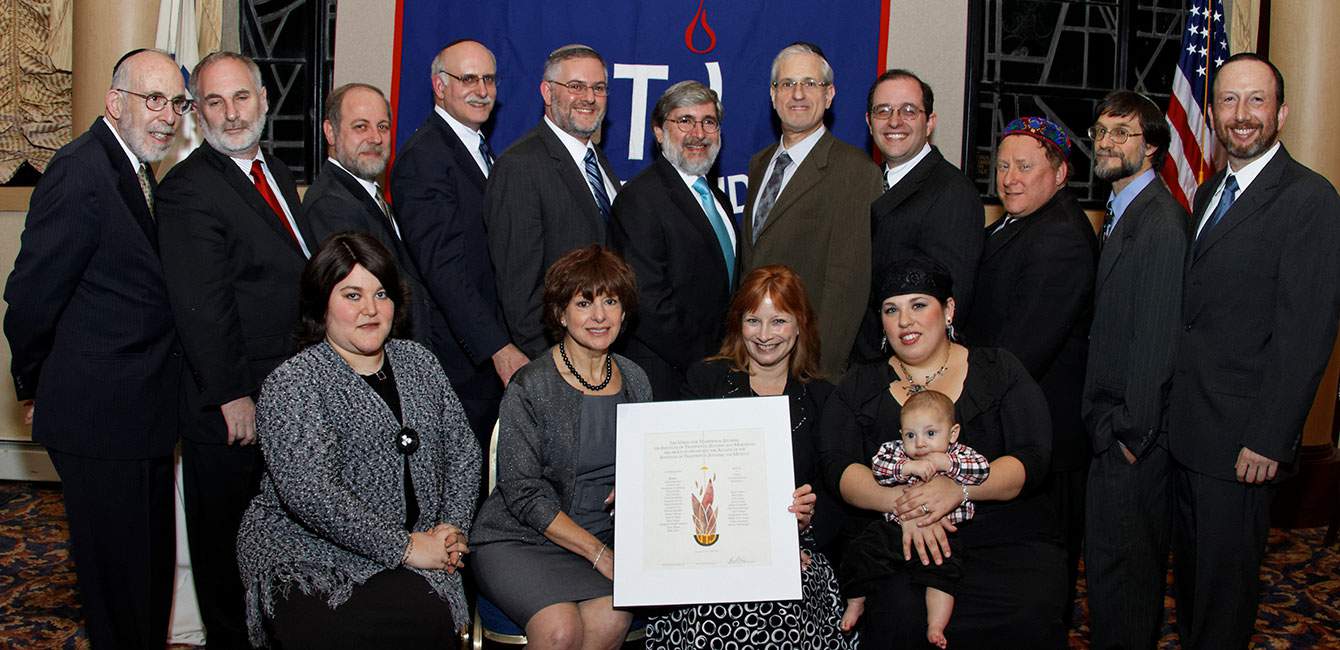

Rabbi Jeffrey H. Miller earned a Master’s degree in Jewish History and S'micha (rabbinical ordination) from Yeshiva University in 1988. He then served as the rabbi of Congregation Sons of Israel (Manalapan, NJ; 1988-1991) and Marathon Jewish Center (Douglaston, NY; 1991-1998). In 1998, Rabbi Miller graduated from St. John’s University School of Law and began practicing law full time. Rabbi Miller has served as a legal advisor to the Union for Traditional Judaism and its rabbinical arm, Morasha. He has lectured on a wide array of topics concerning the intersection of secular law and the rabbinate. In February 2017, Jeffrey was accepted to serve on the American Arbitrtaion Association’s panel of commercial arbitrators. Rabbi Miller has been married to Enid (they met as counselors on USY Wheels) since 1985, and they are the proud parents of Rabbi Avi (and Sarah) Miller, and grandparents of Samson, Avika and Rafi.
For more information about Rabbi Miller, including links to some of his published articles, visit him at his website at www.millerlawofficespllc.com.